Chapter 03
The car
What’s inside an F1 car? Scroll down and this one comes apart, piece by piece, with a few lines on each part as it goes.
01
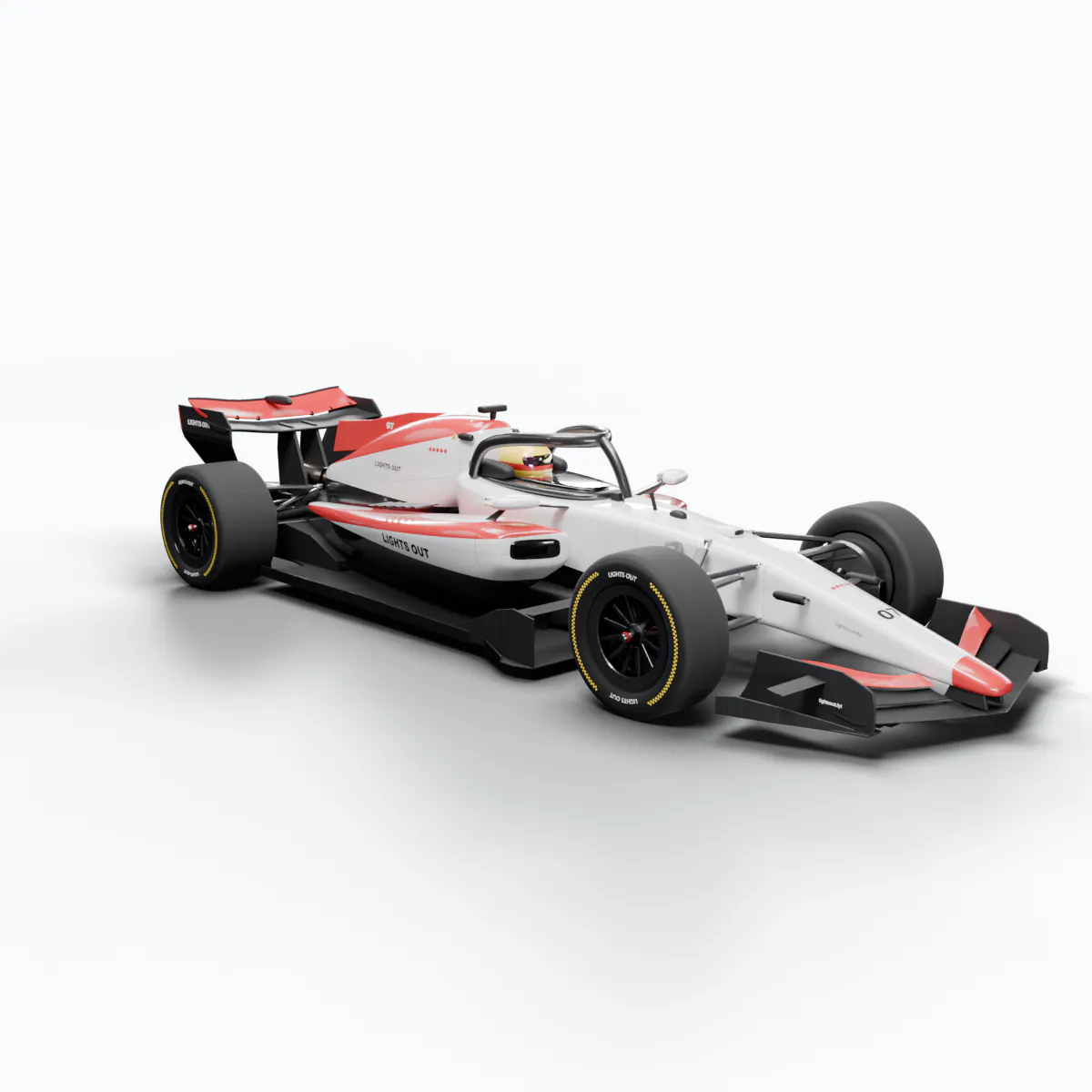
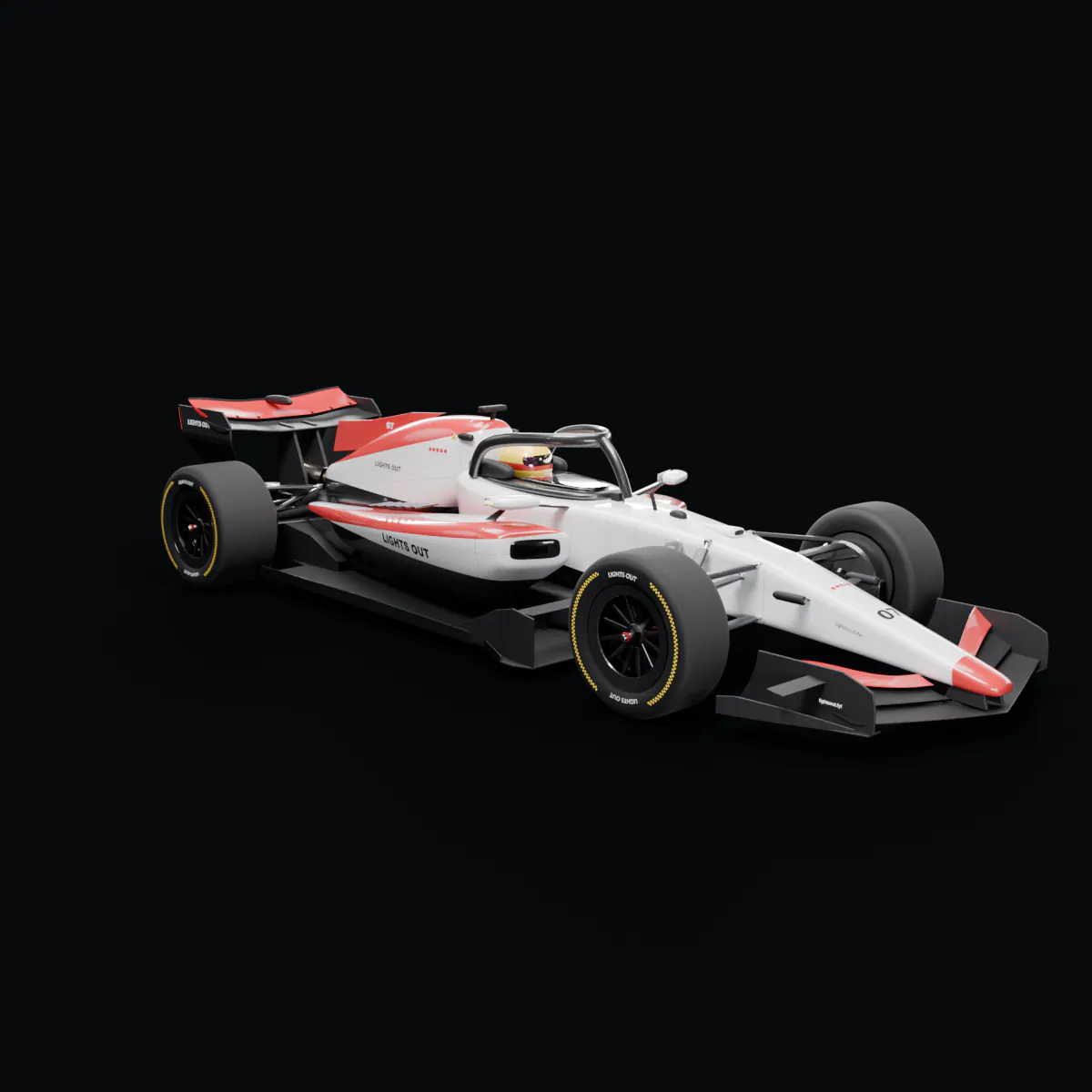
This is a 2026 Formula 1 car
3.4 metres between the wheels, 1.9 metres wide, and at least 768 kg with the driver on board. Smaller and lighter than the cars before it. Scroll, and we’ll take it apart.
02
Taken apart
A modern F1 car is made of thousands of parts, but nine big pieces do most of the work. Each one is a trade-off between speed, grip, cooling and weight.
03
Front wing
The first thing to hit the air. It presses the front tyres into the track with , and steers the airflow around the front wheels and along the car. And new for 2026, its flaps move. Switch to and watch them flatten.
04
Survival cell and halo
The driver sits in a carbon-fibre tub that has to pass the FIA’s crash tests before the car can race. Above their head is the halo, a titanium hoop added in 2018 that can take the weight of a double-decker bus.
05
Power unit
A 1.6-litre V6 turbo engine, an electric motor and a battery. From 2026 the electric side makes about half of the car’s power, harvested under braking with , and the engine runs on sustainable fuel. F1 calls the whole package the .
06
Sidepods
Radiators inside cool the engine, the battery and the electronics. Their outside shape steers air towards the back of the car, which is why every team’s sidepods look different.
07
Floor and diffuser
The underside of the car makes a big share of its . Air rushing beneath it sucks the car towards the track, and the diffuser at the back lets it out. For 2026 the floor is narrower and flatter, so cars rely a little less on it.
08
Rear wing
at the back, and the other half of active aero. In the top flap lies flat, opening a gap that sheds on the straights. The moment the driver brakes it snaps back to . Try it.
09
Wheels, tyres and brakes
18-inch wheels wear Pirelli’s narrower 2026 tyres, with the colour on the sidewall. Behind each one sits a carbon brake disc that glows at over 1,000°C under heavy braking.
10
Back together
Change one part and you change the others: a bigger wing makes more grip but more drag, a slimmer sidepod cools less. Every team works to the same rulebook and ends up with a different car.
What to watch for on race day
- The front and rear wings at the start of a long straight. They flick flat into and snap back as the driver brakes.
- Sidepods when two cars run side by side. Every team shapes them differently, and it’s one of the easiest ways to tell the cars apart.
- Brake discs at night races. Under heavy braking you can see them glowing orange through the wheels.